
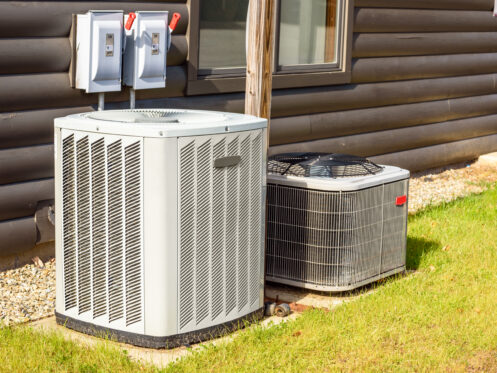
When it comes to energy-efficient heating and cooling, geothermal systems and standard heat pumps are often at the top of the list. Both options are designed to reduce energy use compared to traditional furnaces and air conditioners, which makes them appealing to homeowners focused on long-term savings and comfort.
The real question most homeowners ask is not whether these systems are efficient, but which one saves more. The answer usually comes down to a balance between upfront installation cost and long-term operating expenses. Geothermal systems typically require a higher initial investment, while heat pumps are more affordable to install but may have higher monthly energy use in certain conditions.
Understanding how each system works, what it costs to install, and how it performs over time can help you decide which option delivers the best overall value for your home.
How Geothermal Systems and Heat Pumps Work
Although geothermal systems and air-source heat pumps both move heat instead of generating it, they rely on very different sources.
Air-source heat pumps
- Transfer heat between your home and the outside air
- Provide both heating and cooling from a single system
- Efficiency can vary based on outdoor temperatures
Air-source heat pumps are widely used because they are efficient, versatile, and easier to install than geothermal systems. Learn more about available options here: Heat Pump Services.
Geothermal systems
- Move heat between your home and stable underground temperatures
- Use buried ground loops instead of outdoor air
- Operate with consistent efficiency year-round
The key difference is that geothermal systems rely on ground loops buried below the surface, where temperatures stay relatively constant throughout the year. This allows them to perform efficiently regardless of weather conditions.
Upfront Cost Differences Between Geothermal and Heat Pumps
One of the biggest deciding factors in the geothermal vs heat pump conversation is installation cost.
Geothermal installation costs
- Higher upfront cost due to excavation or drilling for ground loops
- Pricing depends on property size, soil conditions, and loop design
- More complex installation process
The cost of geothermal heating and cooling is largely influenced by the work required to install underground loops. Larger homes or properties with limited space can increase costs.
Heat pump installation costs
- Lower initial installation cost
- No excavation required
- Works well with many existing duct systems
Because they do not require drilling or trenching, heat pumps are often a more accessible option for homeowners who want energy efficiency without a major upfront investment.
Monthly Energy Savings and Efficiency Comparison
Operating efficiency is where geothermal systems often shine.
Geothermal efficiency
- High efficiency due to stable underground temperatures
- Minimal performance fluctuation throughout the year
- Lower energy use for heating and cooling
Geothermal savings can be significant over time, especially for homeowners with higher heating and cooling demands.
Heat pump efficiency
- Very efficient compared to traditional HVAC systems
- May use more energy during extreme cold or hot weather
- Cold-climate heat pump technology improves winter performance
Monthly utility savings depend on factors like local climate, household usage patterns, and proper system sizing. A well-designed system makes a noticeable difference in long-term performance.
Maintenance, Lifespan, and Long-Term Value
Long-term value is not just about energy bills. Maintenance and lifespan also affect total cost of ownership.
Geothermal system lifespan
- Indoor components often last longer than standard heat pumps
- Underground loop systems can last several decades
- Lower exposure to weather-related wear
Heat pump lifespan
- Shorter average lifespan compared to geothermal systems
- Easier and less expensive to replace
- Outdoor components exposed to weather conditions
Both systems require routine maintenance to stay efficient. Regular service helps prevent performance issues and extends system life. Learn more about ongoing care here: HVAC Maintenance.
Climate and Home Factors That Impact Savings
Your location and property characteristics play a big role in determining which system delivers better savings.
Geothermal considerations
- Performs consistently in any climate
- Requires sufficient yard space or drilling access
- Soil conditions and property layout affect feasibility
Heat pump considerations
- Works best in mild to moderate climates
- Cold-climate models perform well in Ohio winters
- Minimal space requirements compared to geothermal
Homes with limited outdoor space or installation restrictions may find air-source heat pumps to be the more practical option.
Which System Saves More Over Time
So which option actually saves more?
- Geothermal systems often provide greater long-term savings due to higher efficiency and longer lifespan.
- Heat pumps usually offer faster payback because of lower upfront costs.
- Rebates, incentives, and financing options can significantly impact overall value.
For homeowners planning to stay in their home long term and willing to invest upfront, geothermal can offer impressive lifetime savings. For those with tighter budgets or shorter timelines, a high-efficiency heat pump may be the better fit.
Choose the System That Fits Your Home and Financial Goals
When comparing geothermal vs heat pump options, there is no one-size-fits-all answer. Geothermal systems often save more over the long run, while heat pumps cost less to install and still deliver strong efficiency benefits.
The best way to compare your options is with a professional evaluation. An experienced HVAC contractor can assess your home, usage needs, and budget to help you make an informed decision.
If you are considering an upgrade, Gene’s Refrigeration can help you explore energy efficient HVAC options tailored to your home. To get started, Schedule a Heating and Cooling Savings Consultation.