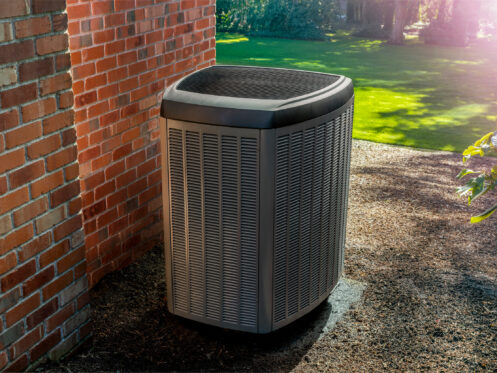
Heat pumps are quickly becoming a popular choice for homeowners looking for an energy-efficient way to maintain their home temperatures. These units offer both heating and cooling in a single system, making them a versatile and appealing option. As you explore this choice, one of the first questions you will ask is, “How much does heat pump installation cost?” It is an important question, to be sure. In today’s economy, most homeowners are budget-limited on groceries and bills, much less items like heat pumps. Understanding the various elements that influence the final price will help you set a realistic budget for this investment.
The cost of installing a heat pump will vary widely based on several factors. Because every home is different, the exact final price tag is unique to your specific situation and model. At Gene’s Refrigeration Heating & Air Conditioning, Plumbing & Electrical, we are committed to providing clarity on the general price range and the components that contribute to the overall project expense.
Factors Influencing Heat Pump Installation Costs
The total cost to install a new heat pump system is not a set number. Any company telling you otherwise is hiding the truth of the situation. The cost of the unit is on a spectrum, which is affected by myriad factors. The cost of the equipment, the complexity of the installation, and the specific needs of your home all contribute. Considering all these elements helps us provide an accurate estimate for our customers in our service area, including Medina, OH.
There are several key components that factor into the expense:
- The type of heat pump being installed
- The brand, model, and size of the unit
- Seasonal Energy Efficiency Ratio 2 (SEER2)
- Heating Seasonal Performance Factor 2 (HSPF2)
- If ductwork needs installation or modification
- Labor costs
- Necessary electrical upgrades
The size of your home and its climate zone directly affect the necessary capacity of the heat pump. A larger home in an area with extreme temperatures will require a more powerful and more expensive unit. Choosing a high-efficiency model also generally incurs a higher upfront cost but promises greater long-term savings.
Exploring Different Types of Heat Pump Systems
The specific type of heat pump you select is going to be the biggest determinant of the initial installation cost. Each type has a different method of transferring thermal energy, and these differences lead to large variations in price for the model, and installation complexity.
Air-source heat pumps are the most common types and typically the least expensive to install. They work by transferring heat between the indoor air and the outside air. These systems are an ideal replacement for traditional furnaces and AC units.
Ductless mini-split heat pumps are another option, often used in homes without existing ductwork. They also work great in home additions. These systems allow for zoning, meaning different areas of the home can be controlled independently. While the units themselves can be cheaper, installing multiple indoor air handlers will still add to the total cost.
Geothermal, or “ground-source” heat pumps, are the most expensive to install. This is due to the extensive ground-loop system that must be buried. However, they are also the most energy-efficient, offering the lowest long-term operating costs and big energy bill savings over the unit’s life. The high initial investment is offset by considerable energy savings and potential tax credits.
Understanding the Current Market and Price Volatility
It is important to understand that the costs we discuss are broad guidelines and are subject to change. In recent years, the HVAC industry, like many others, has experienced significant price swings. Factors far outside of our control can directly impact the final quote we provide to customers in the Northeast Ohio area.
The overall price of equipment and materials can be influenced by global economic developments. For example, the imposition of tariffs on imported components can cause a big and immediate increase in the cost of a unit. Similarly, disruptions in the supply chain, such as factory shutdowns or shipping delays, can limit the availability of certain models, driving up the price of what is accessible. Fuel spikes, insurance hikes, and other factors can drive up labor costs.
Inflation is a constant factor that influences labor rates, material costs, and the expense of doing business. When budgeting for your project, it is vital to come into the situation with the expectation that pricing varies a lot. The price quoted today may not be the same in six months. That doesn’t necessarily mean it will increase; the price could also drop down the road. We always work to source the best equipment at the most competitive rates, but certain market forces are simply unavoidable.
Long-Term Savings on Monthly Bills
While the initial cost of heat pump installation is a big investment, it is important to focus more on the long-term financial benefits. One of the main reasons homeowners choose these systems is that they’re known for substantial savings. This is realized right away due to lower monthly utility bills. Heat pumps operate more efficiently than traditional heating and cooling systems, and this directly translates into lower energy consumption.
Heat pumps do not generate heat; they move it around instead. This is a far more energy-efficient process than burning fuel, like with a traditional furnace model. For homeowners who currently rely on separate heating and cooling systems, combining these functions into one multi-purpose heat pump can streamline energy usage and reduce overall costs for the entire year.
Savings can vary based on the efficiency rating of the unit, local climate, and the cost of electricity. Also, running the unit too much will negate the savings potential. Overall, high-efficiency models with high SEER2 and HSPF2 ratings can lead to the greatest reductions in energy bills. For those considering an upgrade to their existing heating system, the savings from a modern heat pump can be quite dramatic.
Furthermore, state and federal governments, as well as local utility companies, often offer rebates or tax credits for installing modern heat pumps. They’re considered a more “green” option. These incentives can help offset the initial installation expense, making the investment more affordable and shortening the time it takes to recoup the initial cost through energy savings.
Choosing the Right System for Your Home
The cost of heat pump installation is highly variable, influenced by the unit type, system size, and other factors. While the upfront investment may seem substantial, the long-term savings on monthly utility bills make a heat pump a wise financial decision for many homeowners in our service area.
At Gene’s Refrigeration Heating & Air Conditioning, Plumbing & Electrical, we specialize in providing tailored home heating and cooling solutions for our customers in and around Medina, OH. We offer comprehensive services related to heat pump installation, repair, and maintenance. Additionally, we provide expertise in a variety of other services, including air conditioning repair, furnace tune-ups, and indoor air quality solutions. Contact Gene’s Refrigeration Heating & Air Conditioning, Plumbing & Electrical today to learn more about what we offer.