
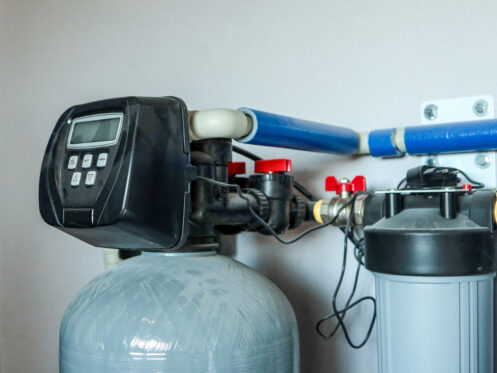
If you have ever questioned the taste, smell, or quality of your tap water, you are not alone. You may think that municipal water is completely clean, but it often contains a mix of minerals, disinfectants, and trace contaminants. A whole-home water filter treats water at the point it enters your home, so every faucet and appliance receives cleaner water. Understanding what is in your water and how filtration systems work can help you decide whether this upgrade makes sense for your home.
What’s Really in Your Water Supply
Municipal water systems treat water to meet safety standards, but that does not mean the water is free from all contaminants. Treatment plants add disinfectants such as chlorine or chloramine to kill bacteria and protect the water as it travels through the pipes. While these additives serve an important purpose, they can affect taste, smell, and overall water quality.
Water can also pick up contaminants as it moves through infrastructures. Older pipes may introduce metals, such as lead, iron, or copper. Newer systems can carry sediment or sand that enters the pipes during repairs. Water can also contain trace amounts of chemicals from pesticides or industrial byproducts. While these levels remain within regulatory limits, you will want to reduce exposure to the contaminants as much as possible.
The Role of Hard Water in Plumbing Problems
Hard water presents another common concern. It tends to contain high levels of minerals, like calcium and magnesium, that can create scale buildup inside pipes and appliances. Over time, this buildup restricts water flow and reduces efficiency. You may notice decreased water pressure or longer heating times for water heaters.
Scale can also shorten the lifespan of your plumbing fixtures. Faucets, showerheads, and valves may wear out faster because of the mineral deposits built up on them. Addressing hard water requires a combination of filtration and water softening. While a filter can remove certain contaminants, a softener targets the minerals that cause scaling.
How Whole-Home Water Filters Work
A whole-home water filter treats the water as it enters the main supply line in your home. This is a way to make sure that every tap and fixture receives filtered water. These systems tend to use one or more stages of filtration to remove different contaminants. A sediment filter captures larger particles, while a carbon filter reduces chlorine and improves taste.
Since the system works at the point of entry, it protects not only your drinking water but also your plumbing system. Clean water flowing through your pipes can help reduce buildup and extend the life of your fixtures. Whole-home systems operate automatically, which makes them a convenient solution for maintaining consistent water quality throughout your home.
Types of Filtration and What They Remove
Different filtration methods target different contaminants, so it is important to choose a system that will manage your water quality concerns. Activated carbon filters are a very common option. They reduce chlorine, odors, and certain chemicals that affect taste and smell. These filters work well for improving overall water quality. Sediment filters can remove larger particles such as sand, dirt, and rust. These filters protect plumbing systems by preventing debris from entering pipes and appliances.
Reverse osmosis systems provide a more advanced level of filtration. They can remove a wide range of contaminants, including dissolved solids, heavy metals, and certain chemicals. These systems are often used at specific points of use but can also be part of a larger setup. Water softeners address hard water by removing minerals. While not technically filters, they play an important role in protecting plumbing and improving water quality.
Whole-Home vs. Point-of-Use vs. Portable Systems
Not all filtration systems work the same way, and each option serves a different purpose. Understanding the differences in these systems can help you choose the right approach. Whole-home systems treat all of the water entering your home. This provides consistent quality across every fixture, including showers, laundry, and outdoor use. It also protects your plumbing system from contaminants and buildup.
Point-of-use systems will focus on filtering water at specific locations, such as a kitchen sink. These systems provide high-quality drinking water at that location, but they will not treat other water in your home. Portable systems, like pitchers or faucet-mounted filters, are a low-cost option. They have limited capacity and require frequent maintenance. Additionally, they do not address water quality for appliances.
The Impact on Plumbing and Appliances
Water quality affects the condition of your plumbing system. Contaminants and minerals can cause buildup and corrosion over time. Sediment and debris can clog pipes and reduce water flow. Chlorine and other chemicals can contribute to the deterioration of seals and components.
Hard water creates scale that coats the inside of pipes and appliances. This reduces efficiency and increases the risk of damage. Installing a whole-home water filter helps reduce these issues by removing harmful elements before they enter your plumbing system. This can extend the lifespan of your pipes, fixtures, and appliances.
Water Filters and Waterline Replacement
Water quality can also influence the need for waterline replacement. If your home has older pipes, contaminants can affect water quality and system performance. Replacing outdated water lines can help to improve flow and reduce unwanted materials in your water supply. When combined with a filtration system, this creates a more reliable setup.
In some cases, installing a whole-home filter may reveal underlying issues with your waterline. Persistent sediment or discoloration may indicate that pipes need attention. When you address both filtration and waterline condition, it helps ensure that your system delivers clean water consistently.
Signs You May Need a Whole-Home Water Filter
Certain signs indicate your home could benefit from a filtration system. Changes in taste or smell point to the presence of chlorine or other additives. Cloudy or discolored water may suggest sediment or rust in your system. You may also notice buildup on fixtures or spots on dishes, which can be a sign of hard water. Dry skin or irritation after showering can result from chemicals or minerals in the water. Appliances that require frequent maintenance or show signs of scaling may also signal water quality issues.
Choosing the Right System for Your Home
Selecting the right filtration system will depend on your specific needs. Water testing can help identify the contaminants present in your supply. Once you understand your water quality, you can choose a system that targets those concerns. We can recommend the best combination of filters and treatments for your home. A well-designed system provides consistent results and requires minimal maintenance.
Improve Your Water Quality at Every Tap
A whole-home water filter can improve water quality and address contaminants that affect taste and more. By understanding what is in your water and choosing the right filtration method, you can have a cleaner, more reliable water supply for your home. Gene’s Refrigeration Heating & Air Conditioning, Plumbing & Electrical is a local plumbing option that opened in 1959 in the Medina area. Contact us to install a whole-home water filtration system today.