Big home projects feel exciting. New cabinets, tile, and fixtures can change how you use a space every day. What many homeowners do not see, though, is how much those upgrades depend on the hidden drain lines that carry water and waste away. If those pipes already have trouble brewing, a fancy new bathroom or kitchen can end up built over a problem. At Gene’s Refrigeration Heating & Air Conditioning, Plumbing & Electrical, in Medina, OH, we use drain line camera inspections to help you spot issues early so you can plan smart repairs before the walls close up.
How Drain Line Camera Inspections Work
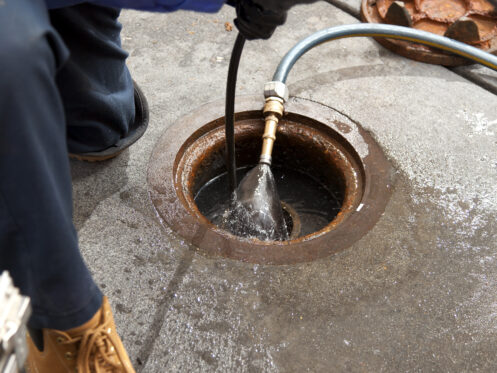
A drain line camera inspection uses a flexible cable with a small camera and light at the tip. The plumber feeds this cable into the drain system through a cleanout, a pulled toilet, or another access point. As the camera moves through the pipe, it sends live video to a monitor above the floor. You and the plumber can watch the inside of the line in real time and see exactly what is going on.
The camera can travel through horizontal and vertical sections, around bends, and past junctions where multiple drains connect. The technician can stop, reverse, or move slowly through suspect areas. Many systems also record the video and mark distances, which helps map where a crack, offset joint, root intrusion, or buildup sits relative to your home. The process gives you more than a guess about the age or condition of your drains. You walk away with specific information about the pipe material, condition, and any visible defects that might affect your remodel plans.
Hidden Problems a Camera Can Catch Early
Drain issues rarely start as full blockages. They tend to build in stages inside the pipe. Grease and soap from a kitchen sink can cling to the walls and collect food particles. Hair, soap scum, and shampoo from a shower or tub can form mats that narrow the passage. In older homes, scale can line cast iron pipes and catch debris. A camera inspection lets a plumber see these early layers before they close the pipe enough to slow water significantly.
The camera can also reveal more serious structural problems that have not yet shown clear surface symptoms. Tree roots may have just begun to slip through tiny openings in the sewer line. A section of pipe might have settled and formed a low spot where water sits between uses. Joints might show slight separations where soil has shifted. You might never notice these issues during normal days, yet they increase risk when you add more fixtures or heavier use after a remodel.
Why Pre-Renovation Inspections Save Money and Mess
Many homeowners look at a camera inspection as an extra step, yet it often prevents far bigger bills later. Picture a new bathroom with custom tile, a glass shower enclosure, and fresh paint. Three months after completion, the shower drain starts to back up and water appears at the base of the wall. A later inspection shows a broken or sagging section of pipe under the finished floor. Fixing that problem now means cutting tile, removing parts of the shower, and patching finishes that never match quite as well again.
A camera inspection before the project would likely have revealed that weak spot while the space was still bare. You could have chosen to repair or replace that section while everything was open, when access is easier and costs drop. The same logic applies in a kitchen where cabinets and stone countertops sit above old drain lines. Once those surfaces are in place, reaching a damaged pipe can require pulling cabinets or opening walls from the room behind. That disruption adds stress, noise, and more days of living in a construction zone. Spending on a camera inspection at the planning stage is a way to reduce those risks and align your plumbing with the scale of your renovation.
Planning for New Loads and Layout Changes
Big renovations often change how and where water enters the drain system. Adding a second sink to a vanity, moving a washing machine, or installing a new walk-in shower all shift loads. Existing lines may be sized or pitched for the old layout. A camera inspection helps your plumber understand how the current drain network runs behind the scenes. With that information, the plumber can advise on whether the line can handle added flow or if some sections need upgrades.
For example, if you plan to move a kitchen sink to an island, you may need a different route for the drain line under the floor. A camera view of the main line and branches helps the plumber choose the best tie in point and decide if that section needs cleaning or replacement first. In a basement remodel, an inspection can show how close the main sewer line runs to the new bathroom layout.
That detail matters when you plan for proper slope and venting. In some areas, inspectors and permit offices also like to see documentation that underground lines have been reviewed or tested as part of the project. A camera report can support that discussion and smooth the approval process.
Working With a Plumber as Part of Your Renovation Team
The best results come when the plumbing work lines up with your contractor’s schedule from the very start. Instead of waiting until rough-in day and hoping everything in the walls looks fine, you can involve a plumber early to perform a camera inspection and share findings with your designer or general contractor. That team can then plan framing, fixture locations, and drain routes with real knowledge of where lines run and what condition they are in.
This early planning can change small choices that have a big impact on daily use. You might shift a shower drain a short distance to tie into a healthier section of pipe, or decide to replace a run of old cast iron with modern material before covering the floor. When everyone works from the same clear picture, you avoid surprises that slow down the job. You also give your future self a more reliable system behind the walls, so you can focus on enjoying the new space instead of calling for emergency service after the project wraps up.
Bottom Line Before You Start Your Project
Big renovations put a spotlight on surfaces, yet the pipes behind those surfaces carry just as much weight for daily comfort. At Gene’s Refrigeration Heating & Air Conditioning, Plumbing & Electrical, we use camera inspections, drain cleaning, and repair work to help you start major projects on a solid plumbing foundation. Our team can review your drains, coordinate with your contractor, and handle any repairs that make sense before the remodel begins. If you are planning a kitchen, bathroom, or basement renovation, schedule a drain line camera inspection with Gene’s Refrigeration Heating & Air Conditioning, Plumbing & Electrical so your new space rests on plumbing you can trust. Contact us for consultation or to schedule service.