A blocked drain can disrupt your whole day. One minute you are rinsing dishes or taking a shower, and the next you are staring at standing water that will not go away. Sometimes, the problem can wait until regular business hours, and sometimes, you need help as soon as possible. It’s not always obvious which situation you are dealing with.
When a Simple Blocked Drain Can Usually Wait
Start by looking at how widespread the problem is. If you have one slow sink and every other fixture in the house works as usual, you are probably dealing with a minor clog near that drain. There isn’t a sewage smell, gurgling in nearby drains, and water isn’t spilling onto the floor. In this situation, it’s reasonable to wait for a regular appointment as long as you stop using that fixture and keep an eye on it.
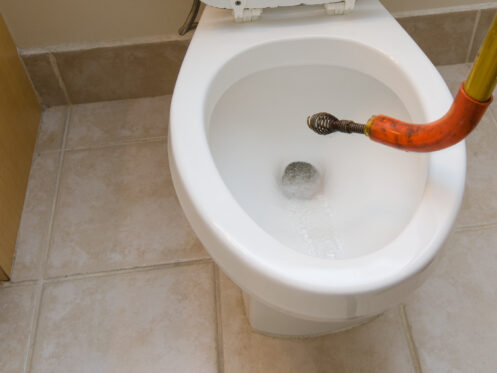
You might feel comfortable trying light plunging on a single sink, tub, or toilet that is not overflowing. Short, controlled plunges with a proper plunger can move a small clog made of hair, soap, or paper. If the water level drops and flows smoothly, contact your plumber during normal hours and report the issue. What you want to avoid is repeated plunging that makes water rise higher, using chemical drain cleaners that can damage pipes, or removing traps and pipes yourself. When you have a simple drain clog that clears, it is rarely a middle-of-the-night call. However, when you cannot get the clog to move at all, that is your sign to bring in a professional.
Clear Signs That Your Blocked Drain Is an Emergency
Some drain problems cross the line from an annoyance to an urgent issue very quickly. One of the strongest warning signs is water coming up in more than one place at once. If you flush a toilet and water rises in a nearby tub or shower, the blockage is likely deeper in the system, where several lines meet. Another serious sign is sewage backing up through a floor drain, shower drain, or toilet. Any time you see dark water with waste or you smell strong sewage odors, you are dealing with a situation that can affect your health and your home.
Flooding risk is another reason to treat a blocked drain as an emergency. A toilet that keeps overflowing every time you try to flush, a washing machine that sends water across the floor during the drain cycle, or a kitchen sink that spills under the cabinet can all cause damage in a short window of time. Water can soak drywall, cabinets, and flooring and can reach wiring or appliances nearby. When water is still flowing and you can’t stop it with a simple shutoff at the fixture, that isn’t a problem to leave until morning. In those moments, calling an emergency plumber is the safest course of action.
Whole House Clogs and Sewer Line Trouble
When several drains start acting up together, the problem is rarely inside just one sink or tub. You might notice toilets that barely flush, sinks that gurgle loudly, and a shower that fills with water even when no one is using it. Sometimes, the lowest drain in the house, such as a basement floor drain, becomes the primary point of relief, and water appears there even when water is only being used on another floor. This pattern points toward a main sewer line clog, where all the smaller branches connect before the pipe leaves your property.
Mainline problems can start with tree roots pushing into older pipes, heavy buildup inside the line, or a collapsed section of pipe. If the main sewer pipe cannot carry waste away, every flush, shower, and laundry cycle has nowhere to go. That’s why you see issues at multiple fixtures at once. A whole-house clog is not something you can clear with a plunger, and attempting to use more water makes the backup worse. If you see more than one drain misbehaving, especially if the lowest fixtures are experiencing the worst flooding, stop using water in the house and call for emergency service. Our professional plumbers can use specialized equipment to locate and clear the blockage before it causes larger damage.
When Foreign Objects Turn a Clog Into an Urgent Problem
Sometimes, you know exactly what caused the blockage because you saw it happen. A small toy falls into the toilet, a large wad of paper towels goes down, or a piece of cloth slips into a tub or utility sink drain. Large objects can wedge in tight sections of pipe and block water flow. They can also move just far enough into the line that you can’t see them, yet they still trap debris and cause a solid blockage. In these cases, plunging may push the object deeper into the system, where it becomes harder to reach.
If you watched a solid item disappear into a drain and water no longer moves past that point, that’s a strong reason to call a plumber promptly. This is especially true for toilets, as they can overflow quickly and spread dirty water. You can shut off the water supply valve at the base of the toilet to stop the tank from refilling, then wait for a professional to arrive. Avoid the urge to use makeshift tools or to pour cleaners down the drain in hopes that the object will break apart. Those steps can damage fixtures and pipes. A trained plumber has the tools to remove foreign objects safely.
Smart Moves to Make Before the Plumber Arrives
While you wait for a plumber, take these steps to help limit damage and keep your home safer. First, stay away from electrical hazards and don’t open any plumbing. If a toilet or sink is overflowing, turn off the water at the supply valve under or behind the fixture. If you can’t identify a fixture valve, you can use the main water shutoff to stop new water from entering the system. Avoid using any other fixtures that drain into the same line. That can push more water toward the blockage and increase flooding.
Keep kids and pets out of rooms with standing water or sewage. Open a window if the smell is strong. Don’t pour chemical drain cleaners into a backed-up drain or toilet. Those products can sit on top of the clog, damage pipes, and create a hazard for the plumber who will work on the line. Your main goal is to stabilize the situation until professional help arrives, not to perform repairs yourself.
Bottom Line for Blocked Drains
Blocked drains are part of life in any home, but some situations call for quicker action than others. At Gene’s Refrigeration Heating & Air Conditioning, Plumbing & Electrical in Medina, OH, we handle emergency drain clearing, sewer line cleaning, and repair work to keep your plumbing system in good shape. We also provide scheduled drain cleaning and inspection services that catch small issues before they turn into bigger problems. If you are staring at a blocked drain and wondering whether to wait or act now, call Gene’s Refrigeration Heating & Air Conditioning, Plumbing & Electrical so that we can help you protect your home and get your drains moving again.