Natural gas powers many of the appliances homeowners rely on every day, from furnaces and water heaters to ranges, fireplaces, and outdoor grills. If you are installing a new gas appliance, remodeling your home, or adding an outdoor feature, you may need a new gas line or an extension to your existing system.
While gas line installation may seem straightforward, it requires careful planning and professional expertise. Incorrect sizing, improper connections, and undetected leaks can create serious safety concerns. Understanding how the process works can help you plan your project and know what to expect when hiring a professional.
When Do You Need a New Gas Line?
A new gas line may be necessary anytime you add an appliance or feature that uses natural gas. In other cases, an existing gas line may need to be replaced because it is damaged, improperly sized, or no longer meets current requirements.
Common reasons homeowners schedule gas line installation include:
- Installing a new gas furnace
- Adding a gas range or cooktop
- Replacing an electric water heater with a gas model
- Installing a gas fireplace
- Adding a natural gas clothes dryer
- Connecting an outdoor grill or kitchen
- Installing a pool or patio heater
- Adding a standby generator
- Renovating or expanding a home
If you are planning any of these projects, a professional can determine whether your existing gas system has enough capacity or if additional piping is required.
Why Professional Gas Line Installation Matters
Gas piping is not an area where homeowners should rely on guesswork or general DIY experience. A poorly installed connection can allow natural gas to escape into the home, while an undersized line may prevent appliances from operating properly.
Professional gas line installation and repair helps ensure the piping is appropriately sized, routed, connected, and tested before the new appliance is put into operation.
Licensed professionals can also account for local building codes, required shutoff valves, appliance specifications, and other safety requirements. Once installation is complete, the system should be checked carefully for leaks and proper operation.
How Is a Gas Line Sized?
One of the most important parts of installing a gas line is choosing the correct pipe size. Gas piping must deliver enough fuel to each connected appliance while maintaining adequate pressure throughout the system.
Professionals typically consider several factors when designing the line.
Gas line sizing can depend on:
- The BTU requirements of each appliance
- The number of gas appliances in the home
- The distance between the gas meter and appliance
- The type and size of existing piping
- Available gas supply capacity
- The layout of the home
Simply connecting another appliance to an existing pipe does not necessarily mean the system can support it. For example, adding a large standby generator or high-output appliance can significantly increase the home’s total gas demand.
Having the system evaluated before installation helps prevent performance problems later.
Does Gas Line Installation Require a Permit?
Gas piping work is generally subject to building and safety requirements, although specific permit and inspection rules vary by municipality and project.
Depending on the work being completed, permits and inspections may be required before a new gas line can be placed into service. This is another reason to work with an experienced local contractor who understands the requirements that apply in Medina and surrounding Northeast Ohio communities.
Professional installation helps ensure that the work is completed according to applicable codes instead of discovering compliance problems after a renovation or appliance installation is finished.
What Happens During Gas Line Installation?
The exact installation process depends on where the appliance is located and how the existing gas system is configured.
The first step is usually evaluating the home’s current system and determining the new appliance’s fuel requirements. Your plumber can then identify an appropriate route for the piping and determine whether the existing system can support the added demand.
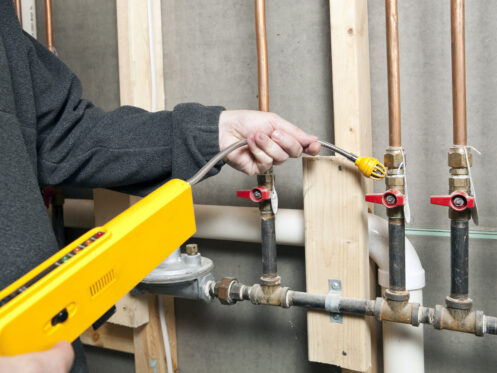
The new pipe is installed and connected to the gas supply and appliance location. Appropriate valves and fittings are installed as required. Before the system is placed into operation, the completed line must be checked carefully to ensure that connections are secure and there are no gas leaks.
For smaller appliance connections, the job may be relatively straightforward. Larger projects involving long pipe runs, finished walls, outdoor equipment, or significant system modifications can require more planning and labor.
How Much Does Gas Line Installation Cost?
There is no single price for residential gas line installation because each project is different. A short appliance connection can be significantly less involved than running a new line across a home or outside to a generator.
Factors that can influence gas line installation cost include:
- Length of the new gas line
- Pipe size and material
- Accessibility of the installation area
- Number of appliances being connected
- Necessary modifications to existing piping
- Permit or inspection requirements
- Wall, ceiling, or exterior access requirements
The most accurate way to determine the cost is to request an estimate based on your home’s existing system and the equipment you plan to install.
Can You Add a Gas Line for an Outdoor Grill?
Yes. A permanent gas line can make an outdoor grill or kitchen more convenient by eliminating the need to regularly replace propane tanks.
Outdoor gas lines may also supply fire pits, patio heaters, pool heaters, and other backyard equipment. Before adding one, a professional should verify that your home’s gas supply can handle the additional BTU demand and determine a safe route for the new line.
Gene’s Refrigeration provides gas line services for outdoor features as well as indoor appliances throughout Medina and Northeast Ohio.
What Are the Signs of a Gas Line Problem?
Gas lines can eventually develop problems due to corrosion, damaged connections, aging components, or accidental damage.
Potential warning signs include:
- A rotten egg or sulfur-like odor
- Hissing sounds near gas piping or appliances
- Gas appliances that are not operating correctly
- Unexpected increases in gas usage
- Visible damage or corrosion on exposed piping
If you suspect a gas leak, treat the situation seriously. Leave the area and avoid anything that could create a spark or flame. Once you are safely away from the property, contact the appropriate emergency or gas utility service. Gene’s also provides professional gas leak detection services to identify and address gas line problems.
Schedule Gas Line Installation in Medina, OH
Whether you are upgrading your kitchen, installing a new furnace, connecting an outdoor grill, or adding a standby generator, your gas line needs to safely provide the correct amount of fuel for the equipment.
Gene’s Refrigeration Heating & Air Conditioning, Plumbing & Electrical provides professional plumbing services, including gas line installation and repair, throughout Medina and Northeast Ohio. With more than 65 years of experience serving the area, our team can evaluate your existing system, explain what your project requires, and complete your installation with safety and reliability in mind.
Ready to add or replace a gas line? Contact Gene’s Refrigeration today to schedule service or request more information. One Call Does It All.