A damaged sewer line can create serious problems for your home, but repairing it does not always mean digging a long trench through your yard. Trenchless sewer line repair uses specialized techniques to repair or replace underground piping while minimizing excavation.
For homeowners in Medina and surrounding Northeast Ohio communities, trenchless methods can be an attractive alternative to traditional sewer excavation. However, they are not appropriate for every damaged sewer line. The condition, location, and type of damage all need to be evaluated before determining the best solution.
Gene’s Refrigeration Heating & Air Conditioning, Plumbing & Electrical provides professional plumbing services, including sewer line repair, drain cleaning, hydro jetting, and other solutions for underground plumbing problems.
What Is Trenchless Sewer Line Repair?
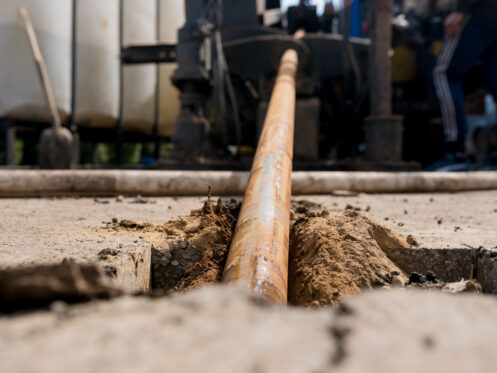
Traditional sewer line replacement generally requires excavating the ground above the damaged section of pipe. Depending on the location of the sewer line, this can mean disturbing lawns, landscaping, walkways, or other areas of the property.
Trenchless technology approaches the project differently. Instead of opening the entire length of the sewer line, plumbers can use limited access points and specialized equipment to repair or replace underground piping.
Two commonly used trenchless techniques are pipe lining and pipe bursting. The appropriate option depends on the existing pipe and the type of damage.
Pipe Lining
Pipe lining creates a new lining within the existing sewer pipe. A resin-coated liner is inserted into the damaged pipe and allowed to cure, creating a new interior surface.
Because the existing pipe remains in place, this method can reduce the amount of excavation required. However, the original pipe must be in suitable condition for lining to work.
Pipe Bursting
Pipe bursting takes a different approach. Specialized equipment breaks apart the existing pipe while simultaneously pulling new piping into its place.
This method can provide a complete replacement without excavating the entire sewer line. Small access areas are still generally necessary to insert and retrieve the equipment.
What Sewer Problems Can Trenchless Repair Address?
Trenchless sewer repair can address several types of underground pipe damage. However, a professional inspection is necessary before deciding whether one of these techniques is appropriate.
Depending on the condition of the sewer line, trenchless methods may be considered for problems such as:
- Cracked sewer pipes
- Corroded or deteriorating lines
- Leaking pipe joints
- Sections damaged by tree roots
- Older sewer lines approaching the end of their useful life
- Some recurring sewer line problems
The severity of the damage matters. A pipe that has completely collapsed, significantly shifted, or developed other major structural problems may require a different repair approach.
How Do You Know If the Sewer Line Is Damaged?
Sewer line problems can initially resemble an ordinary clogged drain. A single slow sink or shower may indicate a localized blockage. When several fixtures throughout the house experience problems at the same time, however, the main sewer line may be involved.
Recurring problems are particularly important to investigate. Repeatedly clearing a blockage without determining why it keeps returning can leave the underlying sewer problem unresolved.
Possible signs of a sewer line problem include:
- Multiple drains running slowly
- Recurring drain or toilet backups
- Gurgling noises from plumbing fixtures
- Sewage odors inside or outside the home
- Water backing up through lower-level drains
- Unusually wet or lush areas of the yard
- Recurring clogs that return after drain cleaning
Gene’s provides drain cleaning, rooter services, hydro jetting, and sewer line repair, allowing a plumber to determine whether the problem is a removable blockage or damage that requires pipe repair.
Why Sewer Camera Inspections Matter
The first step should be finding out what is actually happening underground. Digging up a sewer line based solely on symptoms can lead to unnecessary work, while repeatedly clearing a damaged line may only provide temporary relief.
A sewer camera inspection allows a plumber to examine the inside of the line. Depending on visibility and pipe conditions, the inspection can help identify cracks, root intrusion, deterioration, obstructions, separated joints, or collapsed sections.
The findings can also help determine whether the existing pipe is structurally suitable for trenchless rehabilitation.
For example, pipe lining requires enough of the original line to remain intact to support the new liner. If the sewer has collapsed or is severely misaligned, lining may not solve the structural problem.
What Are the Benefits of Trenchless Sewer Repair?
The primary advantage of trenchless technology is reduced excavation. A conventional sewer replacement may require digging along a significant portion of the underground line. Trenchless techniques can often accomplish the work with much smaller access areas.
Potential advantages include:
- Less disruption to lawns and landscaping
- Reduced excavation around the property
- Less restoration work after the repair
- Ability to rehabilitate long sections of underground pipe
- New pipe or lining materials designed for long-term service
- A potentially faster repair process in suitable situations
Reduced excavation can be especially valuable when sewer lines travel beneath established landscaping or other difficult areas. Even when some digging is necessary, avoiding a continuous trench can substantially reduce property disruption.
When Is Trenchless Sewer Repair Not the Best Option?
Despite its advantages, trenchless repair is not automatically the right solution for every sewer problem.
The existing pipe needs to meet certain conditions depending on the repair method. A severely collapsed line, major offset, significant change in pipe slope, or other structural problem may prevent successful lining. Certain site conditions can also make trenchless equipment difficult to use.
Another important consideration is the cause of the problem. If the sewer line is simply clogged but structurally sound, replacement may not be necessary at all. Professional drain cleaning may be enough for an ordinary blockage, while hydro jetting can address tougher buildup, grease, sludge, and some root intrusions.
This is why diagnosis should come before selecting a repair technique. “Trenchless” describes how certain repairs can be completed, not a universal solution for every sewer complaint.
What About Tree Root Intrusion?
Tree roots are a common concern with underground sewer lines. Roots naturally seek moisture and may enter through cracks, loose connections, or deteriorated joints.
Once inside, roots can grow and catch waste traveling through the pipe, contributing to recurring blockages. Removing the roots can restore flow temporarily, but it does not necessarily repair the opening that allowed them inside.
Gene’s uses hydro jetting to address tough sewer and drain blockages, including tree roots. Before hydro jetting, the plumbing team can inspect the sewer line to determine its condition and identify cracks or other concerns.
If roots have repeatedly entered a damaged sewer line, the pipe itself may require repair or replacement. Depending on its structural condition, trenchless rehabilitation may provide a way to address the damaged line while minimizing disturbance to the surrounding yard.
Is Trenchless Repair Better Than Traditional Excavation?
Neither method is universally better. The best repair is the one that properly addresses the specific sewer problem.
Trenchless repair is often appealing because it limits excavation. Traditional replacement, however, gives plumbers direct access to the entire damaged area and may be necessary when the existing pipe has collapsed, shifted significantly, or cannot support trenchless rehabilitation.
Property conditions matter too. Sewer depth, access, nearby utilities, pipe material, length of the damaged section, and the location of connections can influence the repair plan.
A professional assessment should compare available options rather than recommending trenchless technology simply because it requires less digging.
Can Sewer Problems Be Prevented?
Not every sewer line failure is preventable. Pipes age, soil moves, tree roots grow, and older materials can deteriorate. Homeowners can still reduce unnecessary stress on their drainage systems.
Avoid flushing wipes, paper towels, hygiene products, and other materials that do not belong in the toilet. Keep fats, oils, and grease out of kitchen drains, where they can contribute to buildup.
Pay attention to recurring symptoms as well. If the same drain or sewer problem keeps returning, have the cause investigated rather than relying on repeated temporary fixes.
Professional plumbing services can help determine whether recurring drainage trouble is related to buildup, roots, pipe damage, or another problem.
How Do You Decide Whether Trenchless Repair Is Right?
Start with a professional sewer line evaluation. The goal should be to understand the condition of the pipe before deciding how it should be repaired.
The plumber can consider the pipe material, age, location, accessibility, and extent of damage. From there, you can compare trenchless repair with conventional excavation and determine which approach offers the most appropriate long-term solution.
Do not assume that a recurring clog automatically means you need a new sewer line. Likewise, do not assume that clearing a blockage has permanently solved the problem if it keeps returning.
If significant pipe deterioration is found beyond the sewer line, professional pipe repair and replacement may also be necessary to restore dependable plumbing.
Schedule Sewer Line Service in Medina, OH
Trenchless sewer line repair can provide a less disruptive way to address certain underground plumbing problems, but the condition of your sewer line ultimately determines whether it is the right choice. Accurate diagnosis and evaluation of the existing piping should come before deciding on a repair method.
Gene’s Refrigeration Heating & Air Conditioning, Plumbing & Electrical has served Medina and Northeast Ohio since 1959 and provides sewer line repair, pipe services, drain cleaning, rooter services, and hydro jetting as part of its plumbing services.
If you are dealing with recurring backups, slow drains, or other signs of an underground sewer problem, contact Gene’s Refrigeration Heating & Air Conditioning, Plumbing & Electrical to have the problem professionally evaluated.